

smooth superiority
rusts in a steaming haze
bloats
until it explodes
smooth superiority
rusts in a steaming haze
bloats
until it explodes
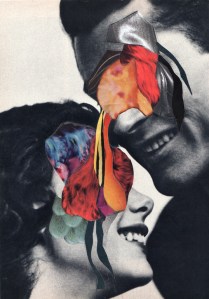
jaws heavy with swollen tongues
fall into smiles of stupor
heat flushes faces into blurry blends
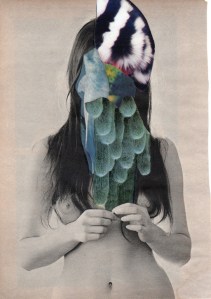
yet the rubies violets peaches and maroons
settle and inevitably cool
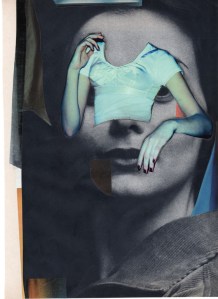
teal is well suited to time
in it’s watery wisdom
and the end
gracious and refined
reflects fondly on
the beauty of the blend
“Beauty in Blend” by Meaghan Merrifield
Artwork by Charles Wilkin

Last night I attended Doug Benson’s Interruption of The Great Gatsby at The Cinefamily. I hadn’t seen the film, but had heard that it was a big, awful mess designed to win over young viewers with brain-numbing hip-hop music and party culture extravagance. I couldn’t wait for the mocking to begin. But something unexpected happened between Benson’s “Does this movie take place on Earth?” and Thomas Lennon’s “Can anybody tell me who that character is? For a million dollars? Anyone?”….
I became interested.

Like a lot of people who heard about Luhrmann’s Gatsby before seeing it in a theater, I went in expecting to be offended by the off-base portrayal of the Jazz Age. Because I admittedly adopt the type of unfounded nostalgia that no person my age should. As the camera swooped into a lavish hotel room and the thumping bass of club music played over the speakers, my instinct was to say “Hey! THAT’S NOT HOW IT WAS! ” But I realized then, that I had no right to think that because all my ideas of The Jazz Age are based on images from Boardwalk Empire and Betty Boop.

It’s true that the emotional nuances of the original story are stomped on by Luhrmann’s signature vulgarity. And it’s true that he made Gatsby’s house look like a rap music video, but when we strip it down isn’t Gatsby an excessively rich dude who throws parties littered with drunk girls, booming music, celebrities, and free booze?… The interpretation isn’t exactly off the mark.
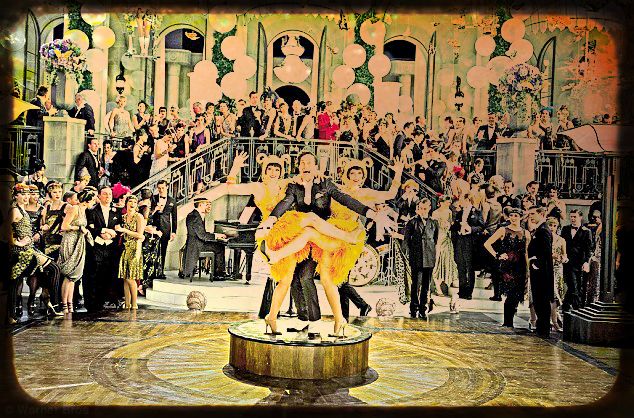
Luhrmann’s movies are often panned, but I really think that he has a talent for showing that young, stupid people are young and stupid no matter what backdrop you throw them against. We want to believe that we’ve missed out on something. That superficiality is just the oozy afterbirth of the 1980s and that our beloved Jazz Age was better than whatever we’re living in now. But the shallowness that we criticize without restraint in our own time, existed without question, in the times that we idealize.
It was not a tale of disillusionment ..or the hopelessness of time, but I left the film wanting to understand my attachment to worlds that can no longer be accessed and my need to believe that the magic so absent in the world today existed decades ago.
–
Angie Hoover
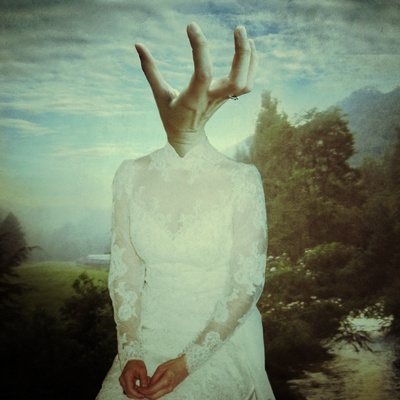
A necrotized
claw has sprouted from the
neck of my favorite lace gown.
At first, it was a pool
of strawberry syrup
as bright and red
as a freshly skinned knee–
And then,
under the hanging tangerine fog of a Sunday afternoon,
it melted upward
into a
nagging,
sickled flower
of bloodless quiet
anticipating its reflection
in me.
“The Grim” by Angie Hoover-Hillhouse
Artwork by Sarah Cruce
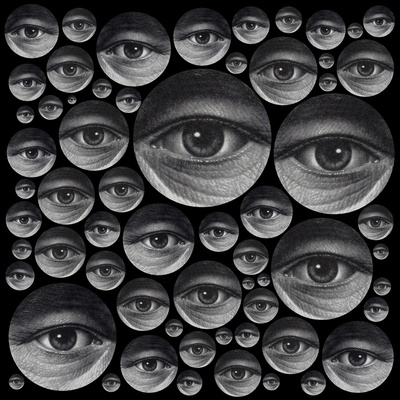
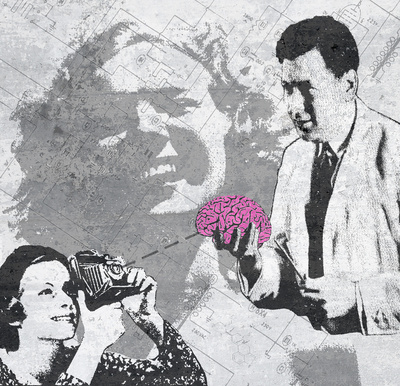


 The Show Tell Project