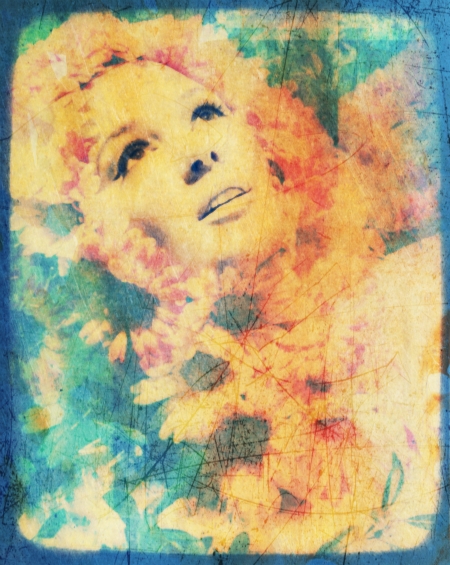
drapes drawn
in peach and white
caress my lips
and shield my eyes
from grisly hell
and growing gloom
til all the world’s
a flowery room
“Blinded by the Light” by Angie Hoover-Hillhouse
drapes drawn
in peach and white
caress my lips
and shield my eyes
from grisly hell
and growing gloom
til all the world’s
a flowery room
“Blinded by the Light” by Angie Hoover-Hillhouse
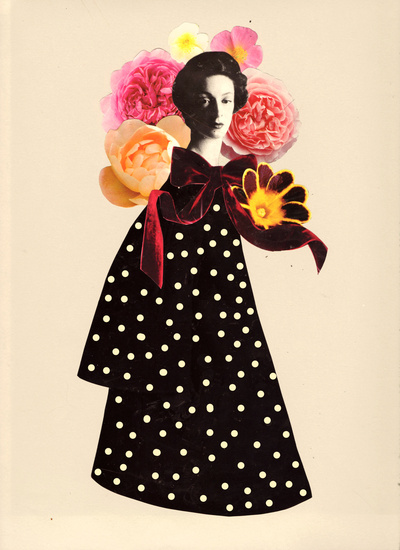
“But flowers distill’d,
though they with winter meet,
Leese but their show;
this substance still lives sweet.
–William Shakespeare
” A weed is but an unloved flower” –Ella Wheeler Wilcox
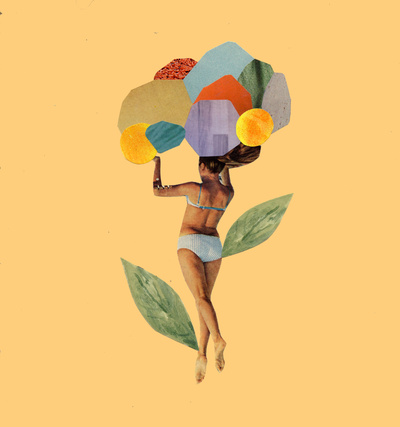
In the orchids
lies a warrior
gleaming like a ruby torch
come to me
in violent whispers
I will satisfy your thirst
– Angie
Artwork by Cardboard Cities:
silver seeds of inspiration
drowning in a sea of grey
the keenest eye
is blind to lights
that swim
across its face
and back
“Lost” by Angie Hoover-Hillhouse
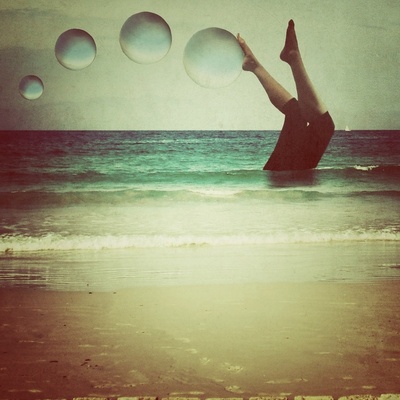
Artwork: “Dive” by Sarah Cruce:
“All photographs are memento mori. To take a photograph is to participate in another person’s (or thing’s) mortality, vulnerability, mutability. Precisely by slicing out this moment and freezing it, all photographs testify to time’s relentless melt.”
-Susan Sontag On Photography
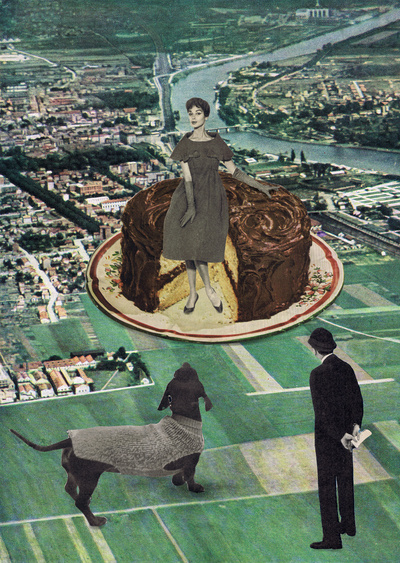
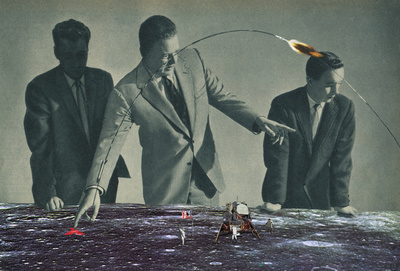
Artwork by Sammy Slabbinck:
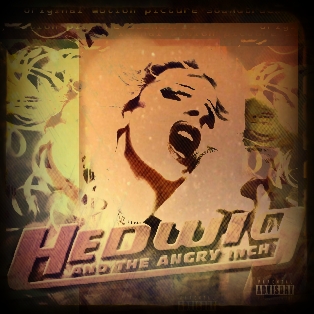
I recently rewatched Hedwig and the Angry Inch, a glamrock, gender-bending musical that holds a very special place in my heart. In a world where subjectivity is lost in favor of rigid, boring stereotypes, a film which welcomes interpretation is refreshing. As simple and comforting as it would be to reduce sexuality to GAY, STRAIGHT, LESBIAN, & BISEXUAL, we cannot. There is no truth in that. Sexuality & Gender Identity are messy and complicated. They exist in spectrums, not uncompomising boxes.
The film itself is about a transgender woman left deformed by a botched sex-change operation (hence The Angry Inch), so the plot itself is one which offers commentary on the lives of people living in the grey area of gender identity. But what’s more striking is the creative risks that the director takes with the film’s form in order to deepen his commentary.

The film takes elements from multiple genres (musical, animation, romance) and combines them to create a new style which emphasizes the fluid nature of sexual identity. In fact, the film’s amalgamous style makes it difficult to place it within a specific genre. But this is not an accident nor is it a flaw. The interweaving of different styles strongly reflects the ideas explored in the story, providing cohesion.
As a woman who has always struggled to define her sexuality, I am comforted (moved even) by the nonjudgemental approach that the director takes when portraying these characters. With a subject as unconventional as this, I think it is important to encourage the audience to relate on a level that is independent of stereotypes. Love is complicated, and so are we. The End.

People are too complex to be categorized neatly, and Hedwig gives us the opportunity to see the complex mixture of thoughts, feelings, and anxieties that are born from believing just the opposite. In fact, the film points to confusion and self-loathing as inevitable developments of strict definitions of gender and sexuality. Hedwig’s internal conflict is in part, the result of her need to please those around her– to fit into our culture’s standards of beauty.
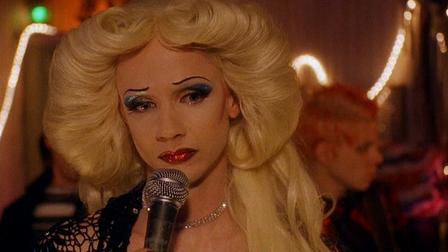
I don’t think that the pressure to be beautiful is the film’s focus, but I do believe that the danger of internalizing fashionable opinions (whether they relate to beauty, gender, or art) as objectively true is touched upon. The story shows us that just as people morph and change, so do the shared truths of entire groups..entire countries.
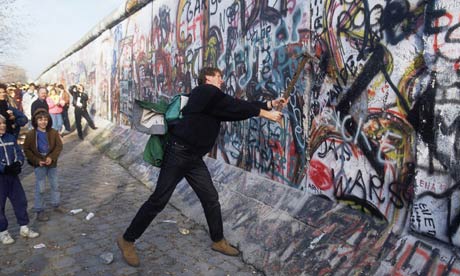
Hedwig’s transition from male to female is paralleled by the erection and destruction of the Berlin Wall. To cross the wall and gain freedom, Hedwig must surgically alter himself. Shortly after this, the wall is demolished, suggesting that the restrictions placed on expression and identity change (sometimes drastically) over time. Hedwig is then tragic and pathetic, because his hardships have been rendered meaningless. We get the sense that conforming to cultural standards of gender or beauty, always leads to misery.
In the last scene of the film, Hedwig discovers that through love, we share so much of ourselves, that we morph into each other. Though relationships can be painful, they lead to rebirth and reinvention. For some, this film is odd, erratic and sort of hard to relate to, but I felt connected to it in a special way. As an outcast, as a woman, as a sexually confused person. And it helped me to understand that blurring boundaries of gender, sexuality, and artistic form can deepen our understanding of beauty and our capacity for empathy.
by Angie Hoover-Hillhouse
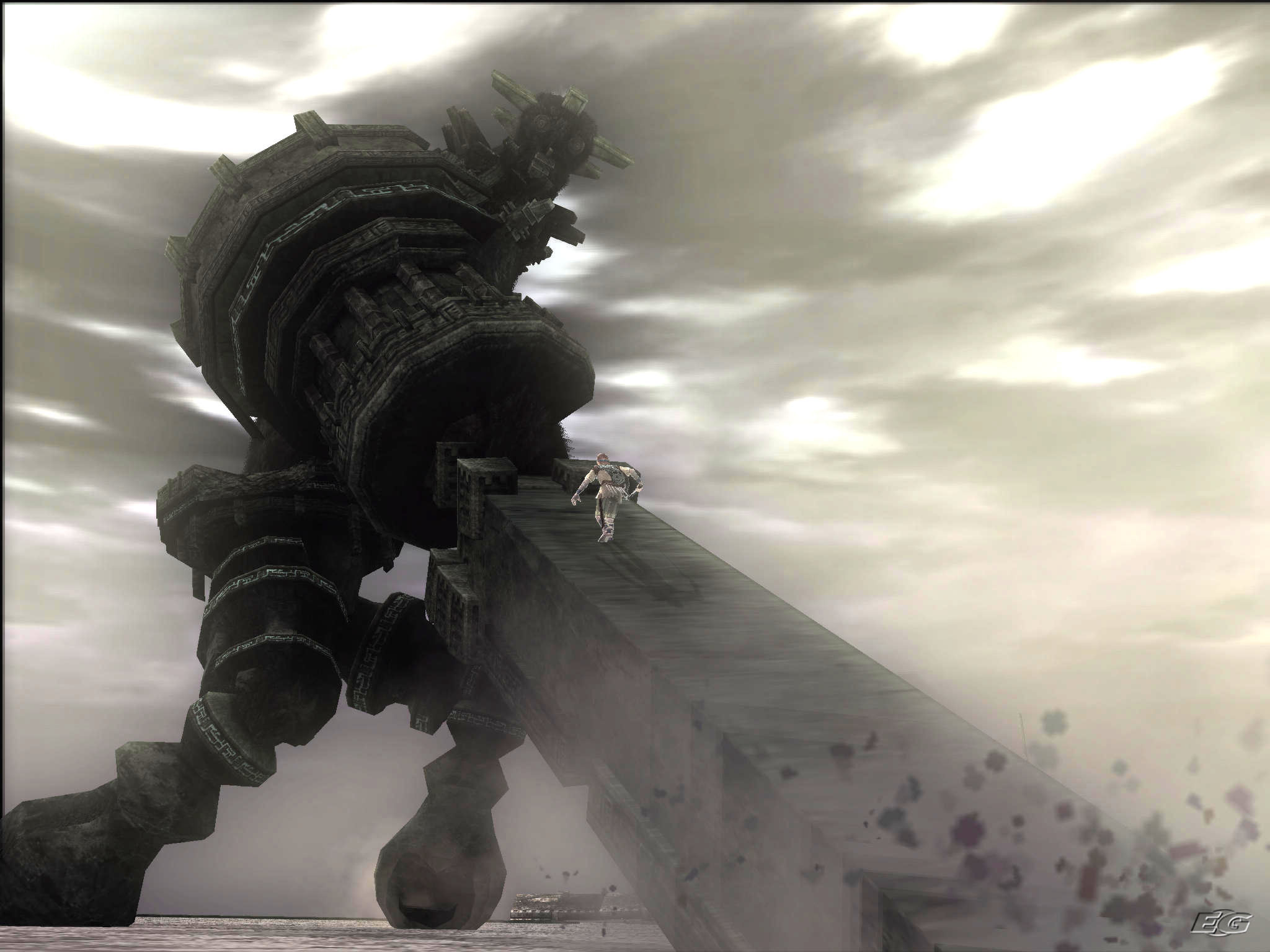
There is a debate I loathe, but which I feel I must address as it feels the need to keep rearing its scaly head from the public consciousness; “Are Video Games Art?”
Those who pose this question are missing the forest for the trees, judging videogames for their exploitative elements instead of acknowledging the design and collaboration that goes into the medium. People look at game content and see violence, running jumping, reacting quickly. They see something that is titillating, pornographic and entirely reactionary. But video games of today offer a level of creative agency that cannot be found in games of the past/ other mediums of art. This agency is what turns entertainment into self-expression. The ability to experience, discover, and create your own narrative in a medium that would typically be inaccessible (film/animation) .

Unlike a painting, a novel, or a sculpture, a video game employs teams of hundreds, working together, to create worlds that are then handed to their fans to be shaped and developed. The curtains raise, the scenes play out, and art is achieved. There are entire labyrinths of imagination laid out for each and every one of us to explore. Great, collaborative artwork the likes of which had never been dreamed before the modern age.

I have slaughtered innocents, rescued princesses, saved the universe, lost a daughter, loved and lost… all through this medium. I did things that I never could have attempted in our own world! Because of that, I have felt, seen, and expressed things that I never would have; and isn’t that what art is all about?
by Mitch Schiwal & Angie Hoover-Hillhouse
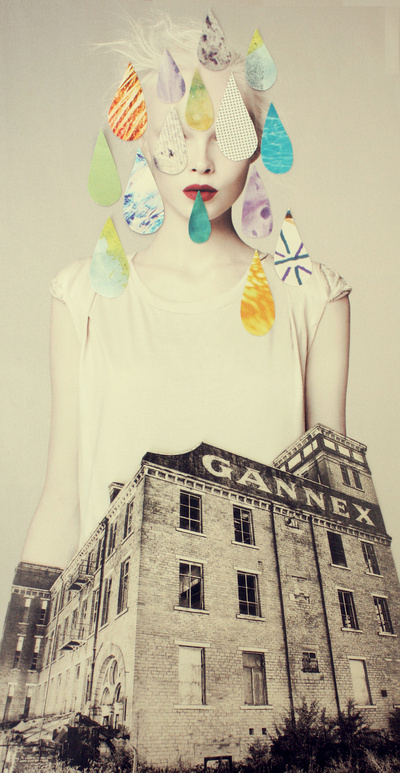
let this sickness rain down
on the meadows below
til the dirt bubbles hot
and the daisies won’t grow
all the roses and lillies can fester and peel
in fog of the dawn
where nothing is real
“Song of the Hag” by Angie Hoover-Hillhouse
Artwork: Gannex by Cardboard cities
Visit the Cardboard Cities Shop Here:
http://society6.com/cardboardcities
 The Show Tell Project